

Pterostilbene Modulates Skeletal Muscle Lipid Metabolism Through PPARδ Stabilization
- Share
- Tweet
- Send to email

Image title: Pterostilbene promotes fat burning in skeletal muscle cells by stabilizing
PPARδPterostilbene, a natural polyphenol found in blueberries and grapes, reduced fat accumulation in cultured skeletal muscle cells by enhancing fatty acid oxidation. The compound stabilized the metabolic regulator PPARδ by preventing its degradation. The study reveals a previously unknown mechanism and may support future dietary strategies for improving metabolic health.
Pterostilbene, a natural dietary compound, modulates skeletal muscle lipid metabolism by stabilizing PPARδ and enhancing its signaling
Safe dietary strategies to enhance fat metabolism might help mitigate excess fat accumulation within skeletal muscle. Now, researchers have discovered that pterostilbene, a natural dietary compound, modulates lipid metabolism in muscle cells by protecting a key metabolic protein, PPARδ, from degradation. Rather than directly activating the protein, pterostilbene stabilizes PPARδ, enabling increased fatty acid oxidation and reducing lipid accumulation. The findings can support future nutritional approaches for improving metabolic health.
Ectopic lipid accumulation in skeletal muscle is a major health concern, driven by factors like high-fat diets, lack of exercise, and aging. Unlike subcutaneous fat, these intracellular lipid droplets interfere with normal muscle function and reduce the body’s ability to efficiently use glucose and fatty acids. This condition impairs metabolic flexibility and leads to insulin resistance. Therefore, finding ways to control excessive lipid buildup in skeletal muscle is crucial for extending a healthy lifespan and preventing lifestyle-related disorders.
Peroxisome proliferator-activated receptor δ (PPARδ) signaling plays a crucial role in suppressing intracellular lipid accumulation by stimulating fatty acid oxidation. While food-derived bioactive compounds have attracted attention for their potential to regulate PPARδ signaling, the molecular mechanisms remain poorly understood.
In a recent study, a team of researchers from Japan, led by Associate Professor Takakazu Mitani from Shinshu University, identified a natural dietary compound, pterostilbene, that stabilizes PPARδ and modulates intracellular lipid metabolism. The naturally occurring polyphenol found in blueberries, grapes, and other berries, has previously been associated with beneficial metabolic effects in the liver and adipose tissue. However, its role in skeletal muscle was not well characterized. Their research was made available online on July 16, 2026, and will be published in Volume 83 of the Food Bioscience journal on September 01, 2026.
“We currently lack approved treatments specifically targeting myosteatosis,” says Dr. Mitani. “This critical gap led our team to screen food-derived compounds for natural, dietary interventions. During the screening, we identified pterostilbene and focused our investigation on uncovering its precise mechanism of action.”
The researchers used cultured C2C12 mouse skeletal muscle cells to screen a panel of food-derived phytochemicals for their ability to reduce abnormal intracellular lipid accumulation. Pterostilbene showed the most pronounced suppressive effects on intracellular lipid accumulation while maintaining normal muscle cell growth and differentiation.
Follow-up experiments revealed that the compound does not stop fatty acids from entering muscle cells. Instead, treated cells showed an increase in extracellular glycerol release, a key indicator of fat breakdown. Together with increased expression of genes involved in fatty acid oxidation, these findings indicate that pterostilbene promotes intracellular lipolysis and lipid catabolism.
Investigation of the underlying molecular machinery revealed that pterostilbene significantly enhances PPARδ signaling. Surprisingly, pterostilbene did not activate PPARδ in the conventional way. Most experimental drugs designed to stimulate PPARδ function by binding directly to the receptor. Instead, pterostilbene increased the amount of PPARδ protein available inside cells by preventing its degradation through the ubiquitin–proteasome pathway. The non-canonical mechanism stabilizes PPARδ and enhances its transcriptional activity, thereby upregulating genes associated with lipid metabolism.
“Our findings establish a scientific framework for developing functional foods and nutritional supplements that target muscle fat metabolism. However, beyond the potential of pterostilbene itself, this work provides an experimental framework for identifying other natural compounds that can stabilize the PPARδ protein,” mentioned Dr. Mitani.
As metabolic diseases continue to rise worldwide, this study provides a foundation for investigating dietary strategies for obesity, type 2 diabetes, and age-related metabolic decline. While these molecular-level findings do not yet prove direct preventive or clinical efficacy, they offer the food and healthcare industries a promising candidate bio-ingredient for functional product development. Moving forward, rigorous in vivo studies evaluating efficacy, safety, and target selectivity will be required to translate these cellular mechanisms into practical pharmaceutical and nutritional applications.
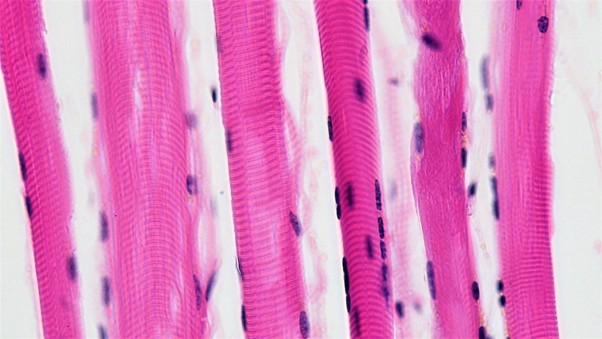
Image title: Pterostilbene regulates lipid metabolism in skeletal muscle through PPARδ stabilization
Researchers found that pterostilbene reduced lipid accumulation in cultured mouse skeletal muscle cells by stabilizing PPARδ and enhancing fatty acid oxidation. Rather than directly activating PPARδ, the compound prevented its degradation, revealing a previously unknown mechanism that may inform future nutritional strategies for metabolic health.
Reference
Title of original paper: Pterostilbene suppresses intracellular lipid accumulation in C2C12 myocytes via PPARδ stabilization
Journal: Food Bioscience