2026 Student from Udayana University: Clinical training at Dept of Neurosurgery
Name: Hana Levina Wijaya
Home Institution/ Country: Udayana University / Indonesia
Year of university: 3rd
Designated department at Shinshu University: Neurosurgery
Training Period: from July 6 to July 30, 2026
Training: Clinical training
1. What made you come train at Shinshu University School of Medicine and how did you find the School through your stay?
I had been interested in participating in an international exchange program since my first year of medical school. The student executive board at my university organised an exchange program, and I was selected after the application process. As I researched potential host institutions, Shinshu University stood out because of its strong academic environment and the positive experiences shared by senior students who had previously trained there. Since I am particularly interested in neurosurgery, I found that Shinshu University offered an excellent opportunity to gain exposure to the field, learn from experienced neurosurgeons, and experience a different healthcare system.
2. Please describe your training at host department/lab.
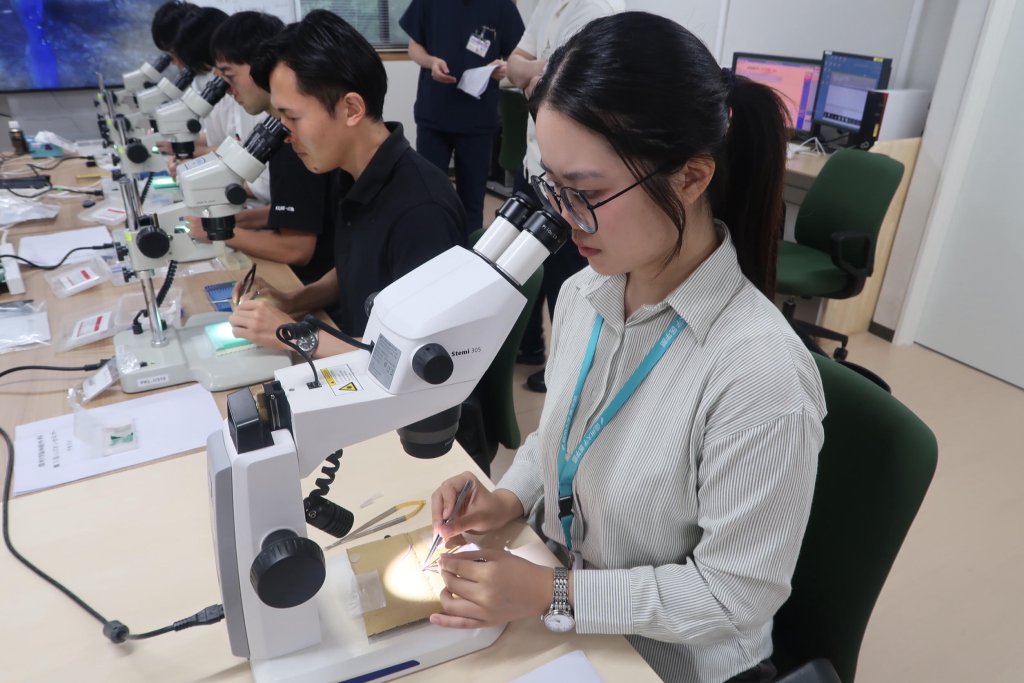
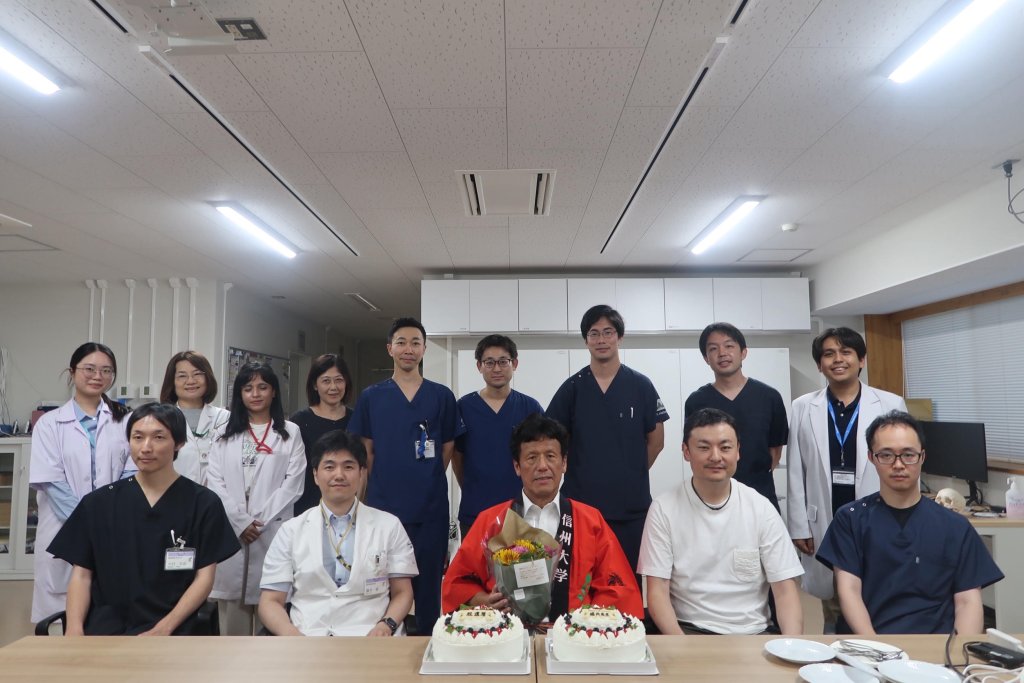
As a third-year pre-clinical medical student with no previous hospital experience, this training was a valuable introduction to clinical neurosurgery. I had the opportunity to observe pre- and postoperative conferences, outpatient clinics, and a wide range of neurosurgical operations. The daily case conferences helped me understand how surgical decisions are made and how clinical findings and imaging are integrated into treatment planning. I was also exposed to advanced technologies, including intraoperative microscopy, neuronavigation systems, SONOPET, endoscopy, angiography, and hybrid operating rooms, allowing me to appreciate how these tools support modern neurosurgical practice. In addition to observing surgeries, I was fortunate to participate in hands-on microsurgery and endovascular training, which made the experience even more meaningful. Throughout the program, the surgeons, residents, and staff were welcoming, patient, and always willing to explain their clinical reasoning and surgical techniques. I was particularly impressed by the teamwork in the operating room, where every member of the multidisciplinary team worked efficiently to ensure patient safety and achieve the best possible outcomes. Watching experienced neurosurgeons approach complex cases with precision, dedication, and professionalism gave me a clearer understanding of what it means to work in neurosurgery and provided valuable insight into the culture of healthcare in Japan. Overall, the training strengthened my interest in neurosurgery and motivated me to continue developing my clinical knowledge and skills.
3. What have you gained from your training and stay in Matsumoto, Japan?
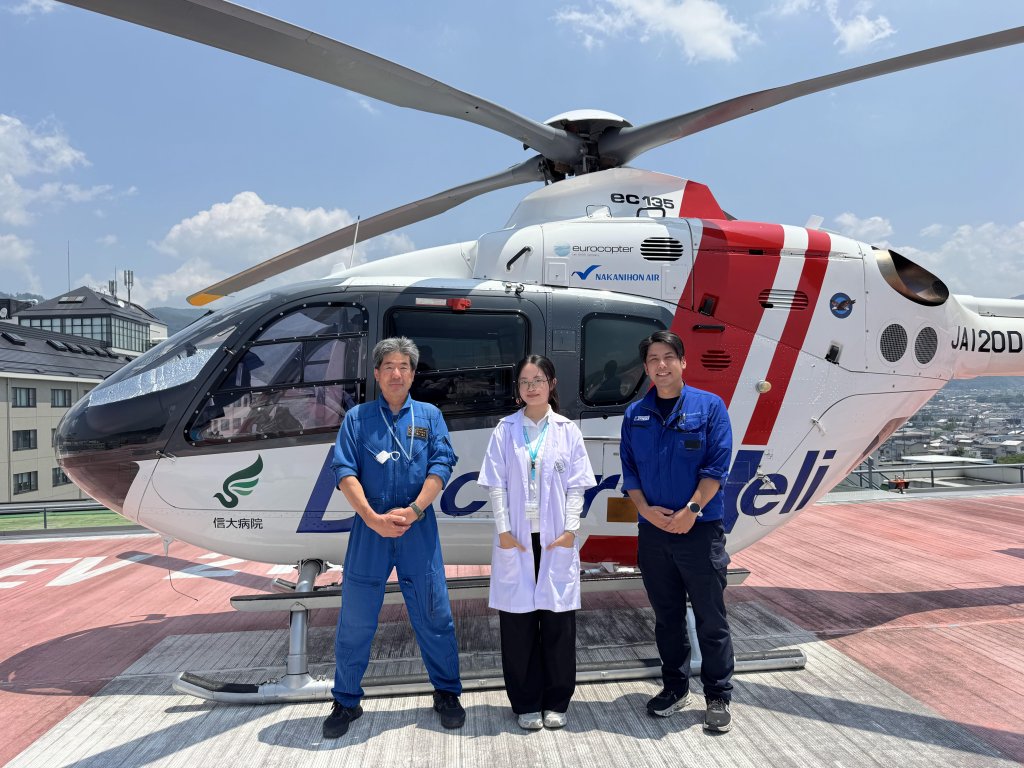
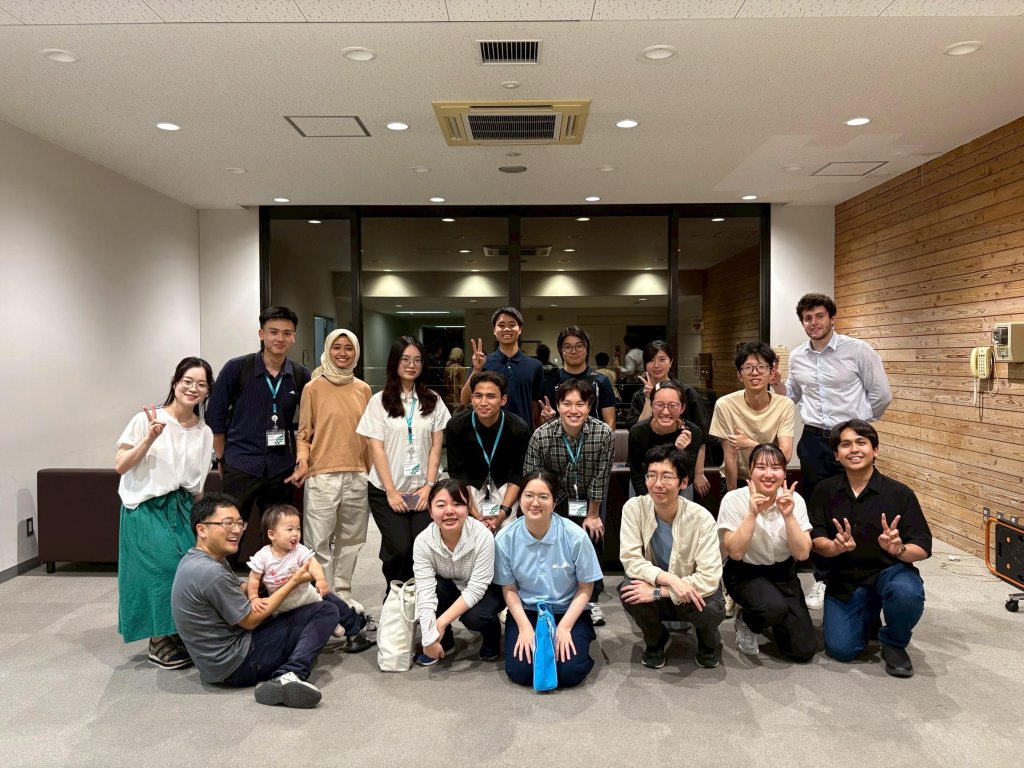
My stay in Matsumoto was both academically and personally rewarding. The training deepened my interest in neurosurgery and gave me a better understanding of how a multidisciplinary team works together to provide patient care. It also allowed me to experience the professionalism, dedication, and teamwork of the healthcare system in Japan, which left a strong impression on me. Outside the hospital, I really enjoyed living in Matsumoto. The peaceful atmosphere, beautiful rivers, and surrounding Japanese Alps made everyday life relaxing and enjoyable. During my stay, I explored Matsumoto City, attended local summer festivals, and took several day trips around Nagano Prefecture. I also enjoyed trying many local foods and experiencing Japanese culture beyond the hospital. One of the most memorable parts of the exchange was meeting students from Shinshu University and other exchange students. Spending time together, travelling, and sharing our different cultures allowed me to build meaningful friendships and create lasting memories. Overall, this experience broadened both my medical perspective and my appreciation of Japanese culture, and I will always be grateful for the opportunity.
4. How do you think you can apply those experiences to your future career?
This experience has given me a clear picture of what working in surgery and neurosurgery is like and has further developed my interest in these fields. Beyond the medical knowledge I gained, I was inspired by the dedication, precision, and teamwork that I observed every day in the department. Seeing how the surgeons approached complex cases with professionalism and compassion has encouraged me to continue learning with curiosity and discipline throughout my medical education. I hope to carry these experiences forward as I develop my clinical skills and, in the future, provide the best possible care for my patients.
5. Advice to those who are interested in studying at Shinshu University
I would highly recommend Shinshu University to anyone interested in participating in a clinical training program. It provides an opportunity to gain clinical exposure in a different healthcare system, learn from experienced and dedicated physicians, and experience Japanese medical education firsthand. The department offers a supportive learning environment with excellent facilities and advanced technology, making it an ideal place for medical students to broaden their knowledge and perspectives. Beyond academics, Matsumoto is a comfortable, safe, and welcoming city that allows students to enjoy both their training and daily life. Overall, I believe Shinshu University is an excellent place for medical students who are looking to gain new medical experiences, learn in a collaborative environment, and immerse themselves in a different culture.