2026 Student from Diponegoro University: Clinical training at Dept of Orthopaedic Surgery
Name: Rayhan Rais Masrashad
Home Institution/ Country: Diponegoro University / Indonesia
Year of university: 5th
Designated department at Shinshu University: Orthopaedic Surgery
Training Period: from July 6 to July 30, 2026
Training: Clinical training
1. What made you come train at Shinshu University School of Medicine and how did you find the School through your stay?
I have a strong interest in Sports Medicine, which led me to choose Orthopedic Surgery for my clinical training. Japan is well known for its medical innovation and high-quality patient care, and Shinshu University has an excellent reputation, especially in spine, hip, and knee surgery, as well as robotic-assisted procedures under the leadership of Professor Takahashi. I was particularly interested in observing advanced trauma surgeries, spine surgeries and robotic-assisted techniques, which are not yet widely available at my home institution.
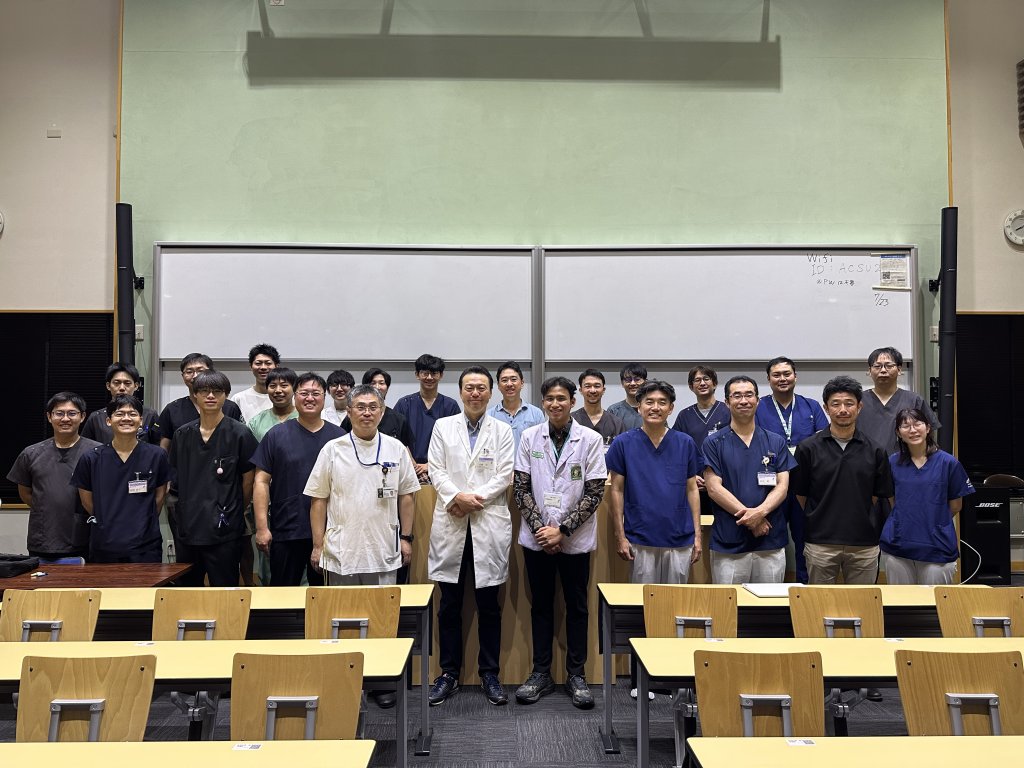
During my stay, I found Shinshu University to have a well-organized training program with a supportive and welcoming environment. The faculty, residents, and staff were friendly, eager to teach, and always willing to help, making my training both enjoyable and valuable.
2. Please describe your training at host department/lab.
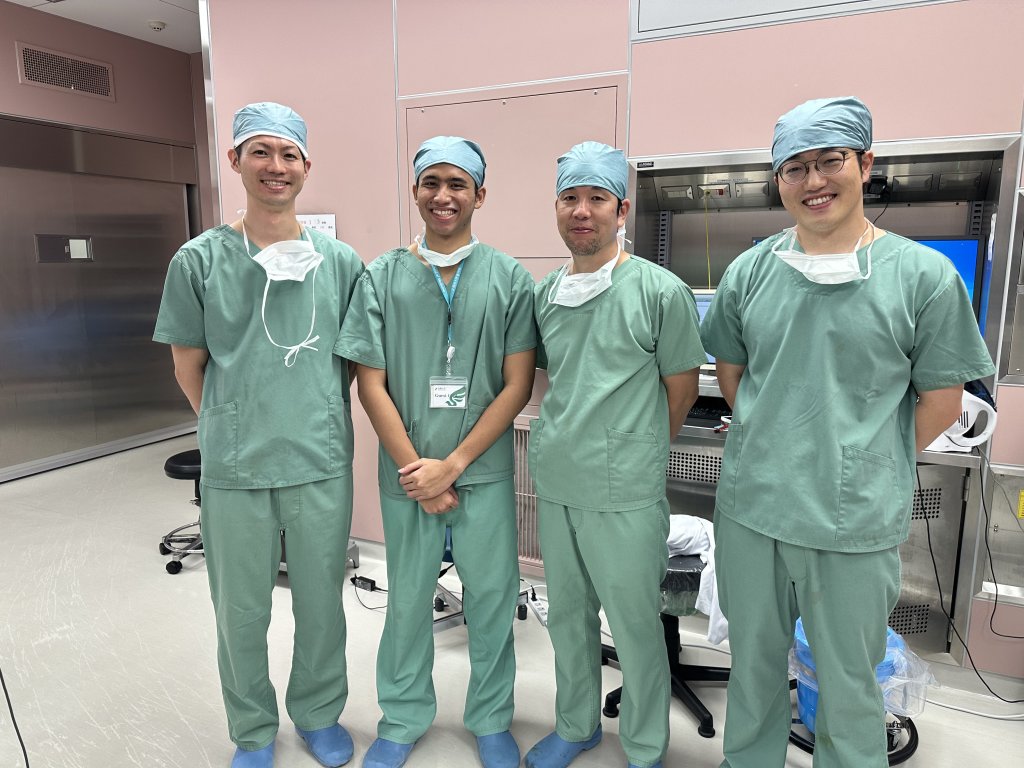
Throughout my training, I joined the Orthopedic Surgery Department, where I gained extensive clinical exposure through ward rounds, outpatient clinics, operating room observations, and pre- and postoperative conferences. I was particularly impressed by the use of robotic-assisted surgery in spine and knee procedures, which is still uncommon in my home country. I also had the opportunity to observe sports trauma cases at Marunouchi Hospital, further strengthening my interest in Orthopedic Surgery especially in sports trauma
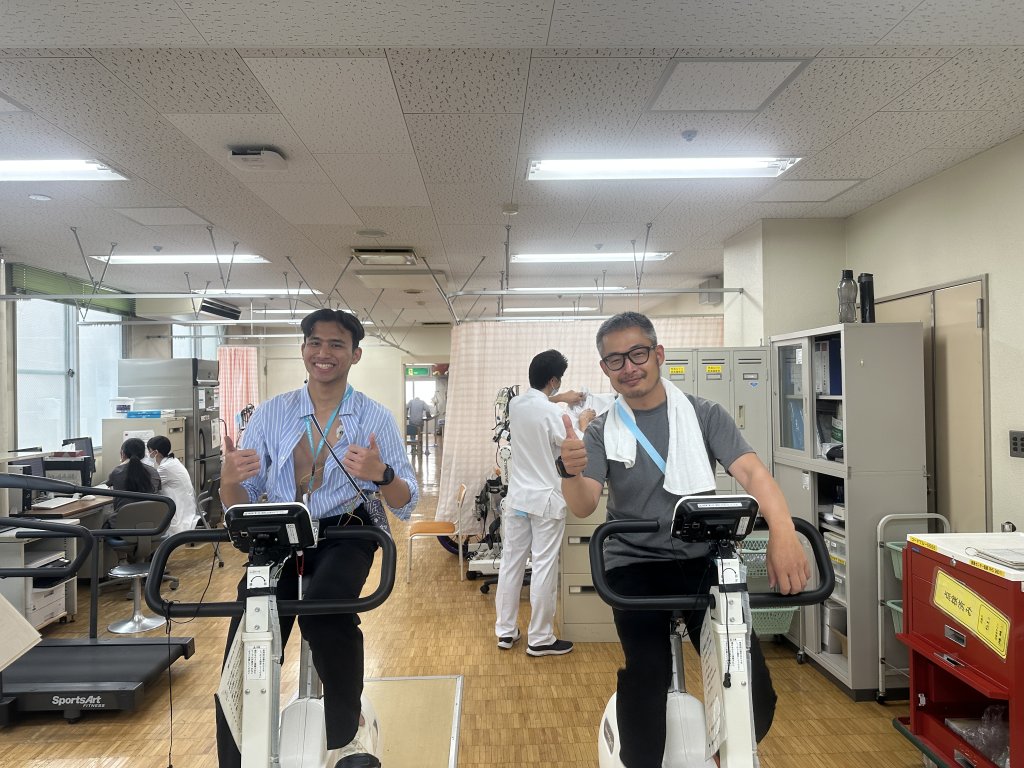
In addition, I had the opportunity to spend time in Rehabilitation Department, where I learned about occupational therapy and robot-assisted rehabilitation. I also had hands-on experience using rehabilitation equipment, including an ergocycle and resistance training machines, which broadened my understanding of multidisciplinary patient care.
3. What have you gained from your training and stay in Matsumoto, Japan?
I gained valuable insights into advanced orthopedic surgery through extensive observation in the operating room. I was exposed to different surgical approaches, including techniques developed by the Shinshu University Orthopedic team. I also learned the importance of evidence-based surgical planning, where complex cases may require staged procedures rather than a single operation.
Beyond technical knowledge, I was impressed by the team's discipline and meticulous attention to detail, especially regarding bleeding control and patient safety. Most importantly, I learned that successful surgery depends on effective teamwork, where every member of the operating room has an essential role and works together toward the best outcome for the patient.
4. How do you think you can apply those experiences to your future career?
This experience has broadened my perspective on orthopedic care. As a future physician, I hope to apply evidence-based decision making in selecting the most appropriate treatment while always prioritizing patient safety and attention to detail. I also learned the importance of teamwork and multidisciplinary collaboration in achieving the best outcomes for patients. Finally, I would like to share the knowledge and experiences I gained at Shinshu University with my colleagues at my home institution and continue learning about emerging technologies in orthopedic surgery.
5. Advice to those who are interested in studying at Shinshu University
My advice is: do not hesitate to apply for this program. Make every learning opportunity count, be proactive, and never hesitate to ask questions because the faculty and staff are always willing to help. Observe every clinical process carefully, as there is so much to learn from each patient, surgery, and discussion. Learning basic Japanese beforehand will also make communication much easier. Most importantly, enjoy every moment of the experience, because experience is the best teacher.