

For approximately two weeks, from Tuesday, May 26 to Saturday, June 6, 2026, Shinshu University conducted a short-term study program "Green Shinshu" and hosted students from its partner universities in the United States as part of the Program of the Inter-University Exchange Project. (For more details about the overview report, please see the article click here.)
Throughout the program, Shinshu University student supporters played an active role in assisting with its organization and activities. We are pleased to share their reports, which provide an overview of each day's activities, highlights from the program, and personal reflections from the students' perspectives.

【Day1】 Orientation
The program kicked off with an orientation at Shinshu University's Matsumoto Campus. To break the ice, all participants began by introducing themselves. Afterward, they received an overview of the "Green Shinshu Program" and a rundown of the schedule for their stay.
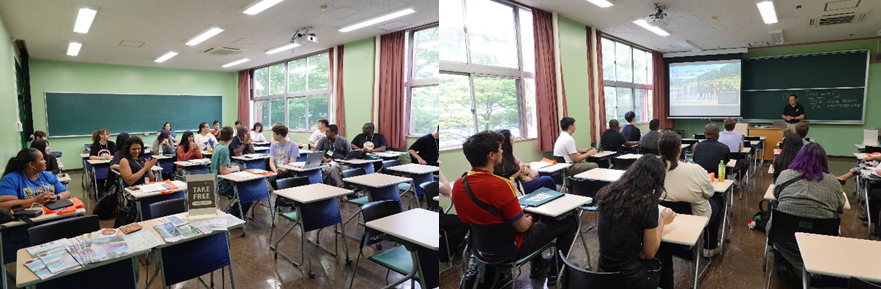
For lunch, we offered three options--the university cafeteria, a *donburi* (rice bowl) shop, and a ramen shop--allowing students to split into groups based on their preferences and enjoy their meals.
In the afternoon, student supporters organized a walking activity around the campus area. Working in groups, the students took on a challenge to find five examples each of "things convenient for international students" (such as clear signage, information boards, and maps) and "aspects unique to Japan rarely seen in the U.S."

【Day2】Kamikochi
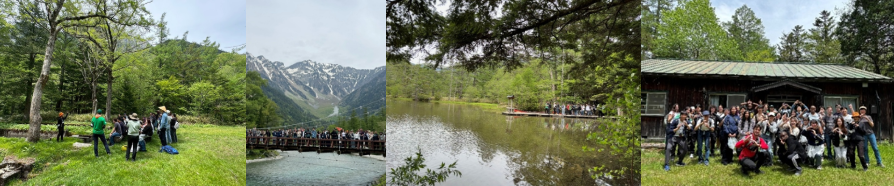
On the second day, we headed to Kamikochi to learn about mountain worship and the water cycle. We started with a walk of about an hour from Kappa Bridge, fully enjoying the natural beauty of Kamikochi. The stunning scenery and the towering Mt. Myojin allowed us to feel the overwhelming power and allure of nature. We learned that for people in the past, mountains were sacred and objects of worship, and that Japan is home to a vast number of deities--often described as "eight million gods."
Afterward, we had lunch at a research center belonging to the Shinshu University Faculty of Science, where students from the faculty gave a lecture on the water cycle system. Leaving the center, we strolled around Myojin Pond and enjoyed some free time sightseeing near Kappa Bridge.
The American students were amazed by the Japanese perspective on deities and the cultural value placed on nature as something sacred; for me, too, it was an opportunity to take a fresh look at Japan.
【Day 3】Hiraide Ruins ‧Hotaka Shrine
The itinerary for the third day included visits to the Hiraide Ruins and Hotaka Shrine. First, at the Hiraide Site, we learned about the history of Nagano Prefecture, tracing back to the Jomon period. What struck me most about this historical era was the tools created at the time and the lifestyles of the people who lived through those periods. The excavated tools and earthenware were incredibly intricate; I was particularly impressed by the elaborate, detailed patterns adorning the pottery. Regarding the dwellings, while their outward appearance remained similar across eras, it was fascinating to observe how the interiors became increasingly spacious and the ceilings higher as time progressed.
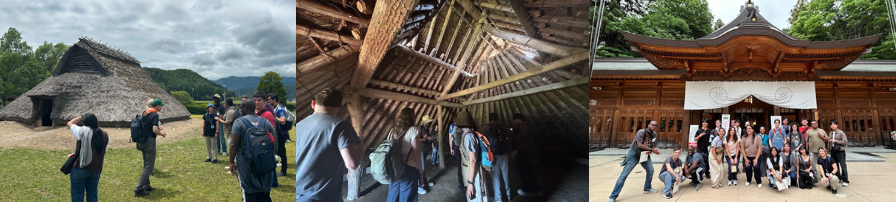
After touring the museum and the archaeological site itself, we headed to Hotaka Shrine. The experience there was truly wonderful. We did more than just learn about local history; we gained insight into the deep connection between that history and the shrine, as well as how the shrine's rituals are influenced by the local community. One of the highlights of the day was the "Boat Festival." During this event, handmade dolls modeled after characters from famous Japanese folktales are placed on boats. These boats are paraded through the local area, culminating in a dramatic spectacle where they are fiercely rammed against one another. Afterward, we entered the shrine's main hall to learn about Shinto teachings and why they remain so significant in modern Japanese society.
【Day 4】Sōtoku-ji Temple
Visiting a traditional Zazen temple offers a wonderful opportunity to experience a slower, more meaningful way of living. It serves as a peaceful escape from the constant noise of modern life. By spending time at the temple, visitors can try ancient practices, connect with community traditions, and find a sense of deep relaxation.
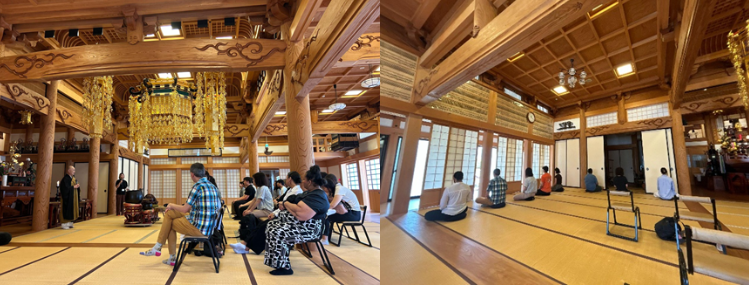
-Meditating in the Temple- The core experience of the visit is practicing Zazen, a form of sitting meditation that has been practiced for centuries. Inside the main meditation hall, the floor is covered in smooth tatami mats, and the air smells faintly of incense. Participants sit in a specific, upright posture, either crossing their legs or resting on a small cushion. The instructor teaches them to keep their eyes half-open and focus entirely on their breathing. This includes a unique hand gesture; the lead monk described it as resembling carefully cupping an egg in the palms. At first, a person's mind might race with random thoughts, but the deep silence of the temple helps calm the inner chatter. Sitting quietly, visitors start to notice small sounds usually ignored in daily life, like the wind moving through the trees or a bird chirping outside, which helps them feel completely present in the moment. The temple's canopy and accompanying pillars echo the wind like a chime, creating a peaceful resonance so distinct that the lead monk eventually closed the doors to maintain focus. Followingthe meditation session, participants are served a traditional vegetarian meal in the food hall, featuring a variety of unique vegetables. Among these is a specialty dish prepared by placing a raw root into a pan and charring it to a deep, smoky state.
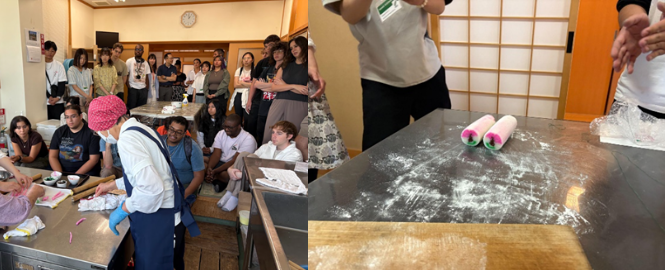
-Making and Preparing Food Together- Food at the temple is not just about eating; it is also an exercise in mindfulness, teamwork, and learning traditional skills. In the kitchen area, visitors have the chance to participate in hands-on cooking, such as shaping traditional dough for snacks or preparing ingredients for a communal meal. A local kitchen instructor, dressed in a traditional white cap and apron, guides the group on exactly how to measure and roll the ingredients. Participants stand around a metal preparation table, working together to roll dough into perfect small rounds while bowls of sweet fillings sit ready nearby. The goal was to make a sakura tree shaped mochi. Pounding mochi and preparing these treats requires patience, but doing it alongside peers makes the process both fun and rewarding.
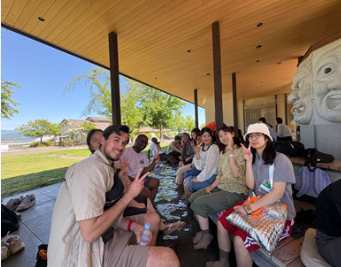
Soaking Feet in the Onsen Footbath- After hours of sitting in meditation and working in the kitchen, the day concludes with a relaxing Japanese tradition. Many temples and cultural grounds feature a public ashiyu (hot spring footbath). Visitors can sit together on wooden benches under a large, beautiful pavilion featuring a high wooden ceiling and sturdy support beams. In the center sits a stone bath filled with warm, mineral-rich volcanic water. Participants remove their shoes, roll up their pants, and soak their tired feet while enjoying the cool breeze and looking out at the green mountainside. It serves as a comfortable, social space where everyone can chat about the day's experiences, share a laugh, and feel completely refreshed before heading home.
【Day5】Nagawa
We traveled by bus for about an hour southwest from the Matsumoto Campus to the Nagawa district, an area surrounded by abundant nature. There, we learned about self-sufficiency in a mountainous region and the importance of community-wide cooperation. This day proved to be a pivotal part of the program, offering a chance to deeply reflect on the core theme of "sustainability in Nagano."
In the morning, we took a field tour of the surrounding area guided by "DAIJI-OUTDOOR," a local nature-experience provider. As we strolled and listened to explanations about traditional events and local history, we discovered wild edible plants like mugwort and Japanese knotweed. We also learned about the importance of local food sources (self-sufficiency) and current challenges, such as the increase in abandoned farmland due to an aging population. After the tour, we moved to a facility with a scenic view and made our own Hoba-zushi (sushi wrapped in magnolia leaves) using ingredients harvested by local residents. We enjoyed the sushi alongside tempura made from the wild plants and miso soup, fully experiencing Nagawa's rich culinary culture.

In the afternoon, we split into groups to conduct interviews with local residents. We spoke with local residents about the history of their self-sufficient lifestyle, how their way of life has evolved, and their desire to preserve their traditions through community cooperation.
The stories shared by the locals were invaluable, as they recounted how they have maintained a self-sufficient lifestyle over such a long period. We also gained deep insights through discussions about their wish to safeguard Nagawa's traditions for as long as possible and how foreigners might contribute to local activities in the future.
The connections forged through these interactions with the community became a vital asset for our subsequent activities and our final presentation.
Written by 4 Student Supporters of the Inter-University Exchange Project : M, B, N and JM
Click here to read the rest of the article on Week 2.