2025 Student from University of Trieste: Basic research at Dept of Regenerative Medicine etc.
Name: Michele Brunetti
Home Institution/ Country: University of Trieste, Italy
Year of university: 5th
Designated department at Shinshu University: : Department of Regenerative Medicine; Dept of Orthopedic Surgery
Training Period: from 6 October 2025 to 19 March 2026
Training: Basic research and clinical training
1. What made you come train at Shinshu University School of Medicine and how did you find the School through your stay?
I first heard about Shinshu University from my pharmacology professor at the University of Trieste, who spoke very positively about the university and its research activities. After that, I became interested and started looking for more information online. During my research, I came across several scientific papers published by the regenerative medicine group led by Dr. Yuji Shiba, and this increased my interest in the field, especially in stem cell research and its applications in cardiology.
At the same time, I also learned about the strong reputation of the orthopedic department, in particular the spine surgery team led by Professor Jun Takahashi. The high level of clinical expertise and the opportunity to observe advanced surgical procedures made this program even more attractive to me.
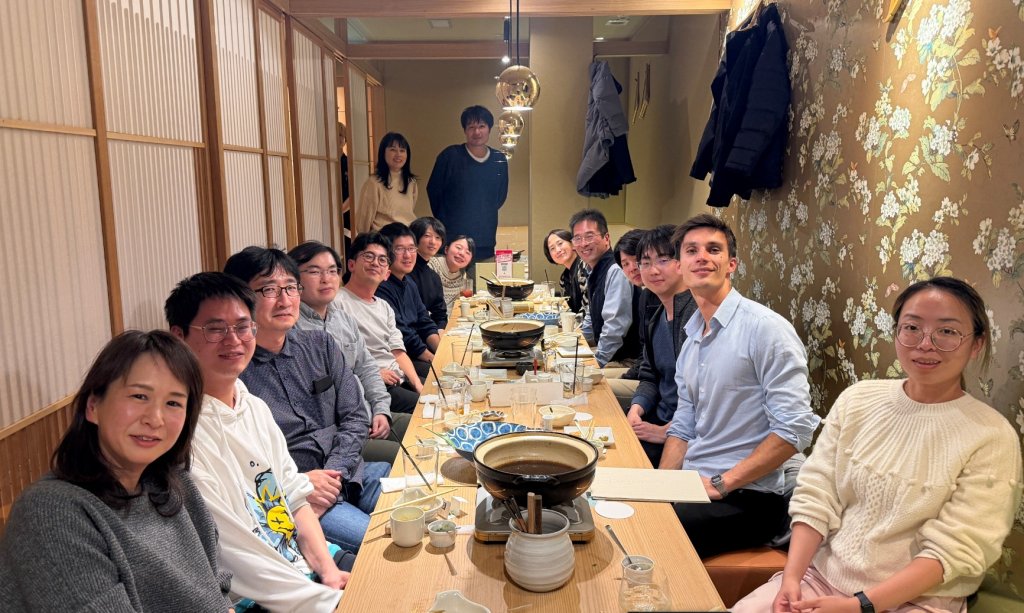
During my stay, I found Shinshu University to be a very well-organized and professional environment. The professors, doctors, and staff were very welcoming and supportive, which made it easier for me to adapt and fully benefit from the experience.
2. Please describe your training at host department/lab.
During my stay at Shinshu University, I spent most of my training period, about five months, in the Department of Regenerative Medicine under the supervision of Dr. Yuji Shiba and my tutor Dr. Yang.
In the laboratory, I worked with induced pluripotent stem cells (iPS cells), learning how to maintain them in culture and perform routine procedures such as cell passaging. I was also involved in a research project using double knock-out cells for ANP and BNP, which were compared with wild-type cells to study their role in cardiac biology.
During this experience, I had the opportunity to learn and practice several laboratory techniques, including immunohistochemistry, Western blot, PCR, and other methods commonly used in biomedical research.
In addition, I spent two weeks in the Department of Orthopedic Surgery under the supervision of Professor Jun Takahashi. During this period, I observed different surgical procedures, including spine surgery, operations on the upper and lower extremities, and tumor removal surgeries.
3. Please list what you have gained from your experiences through the training at Shinshu University and the stay in Matsumoto, Japan.
This experience allowed me to gain both academic knowledge and personal growth.
From a scientific point of view, I developed a better understanding of how research is carried out in a laboratory setting. I learned how different experimental techniques are used together and how research can contribute to future clinical applications. This helped me appreciate the importance of research in modern medicine.
From a clinical perspective, observing orthopedic surgery allowed me to understand how complex procedures are performed and how important teamwork is in patient care. It also gave me a clearer idea of the level of precision and preparation required in surgical practice.
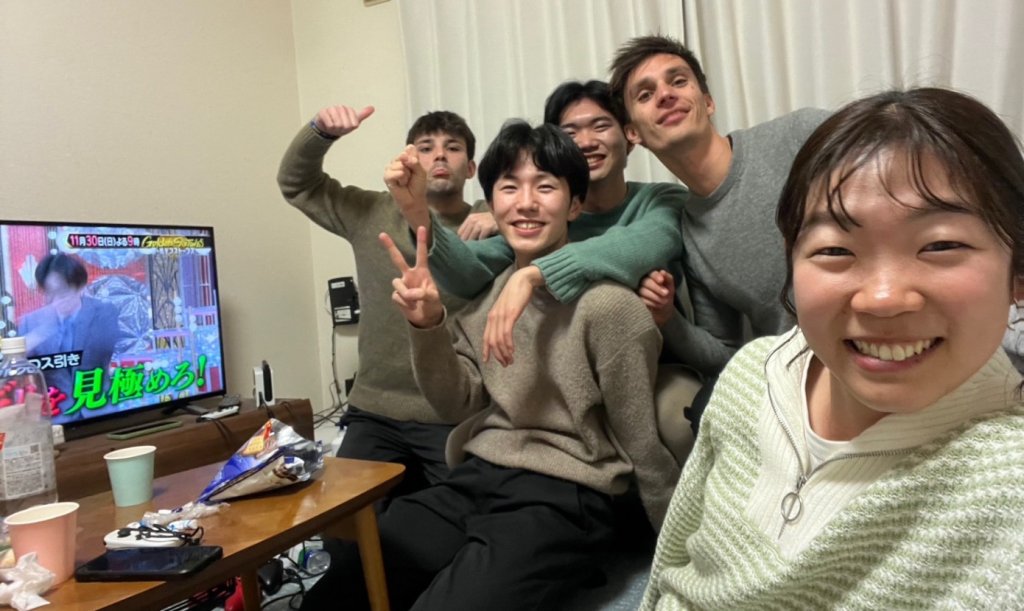
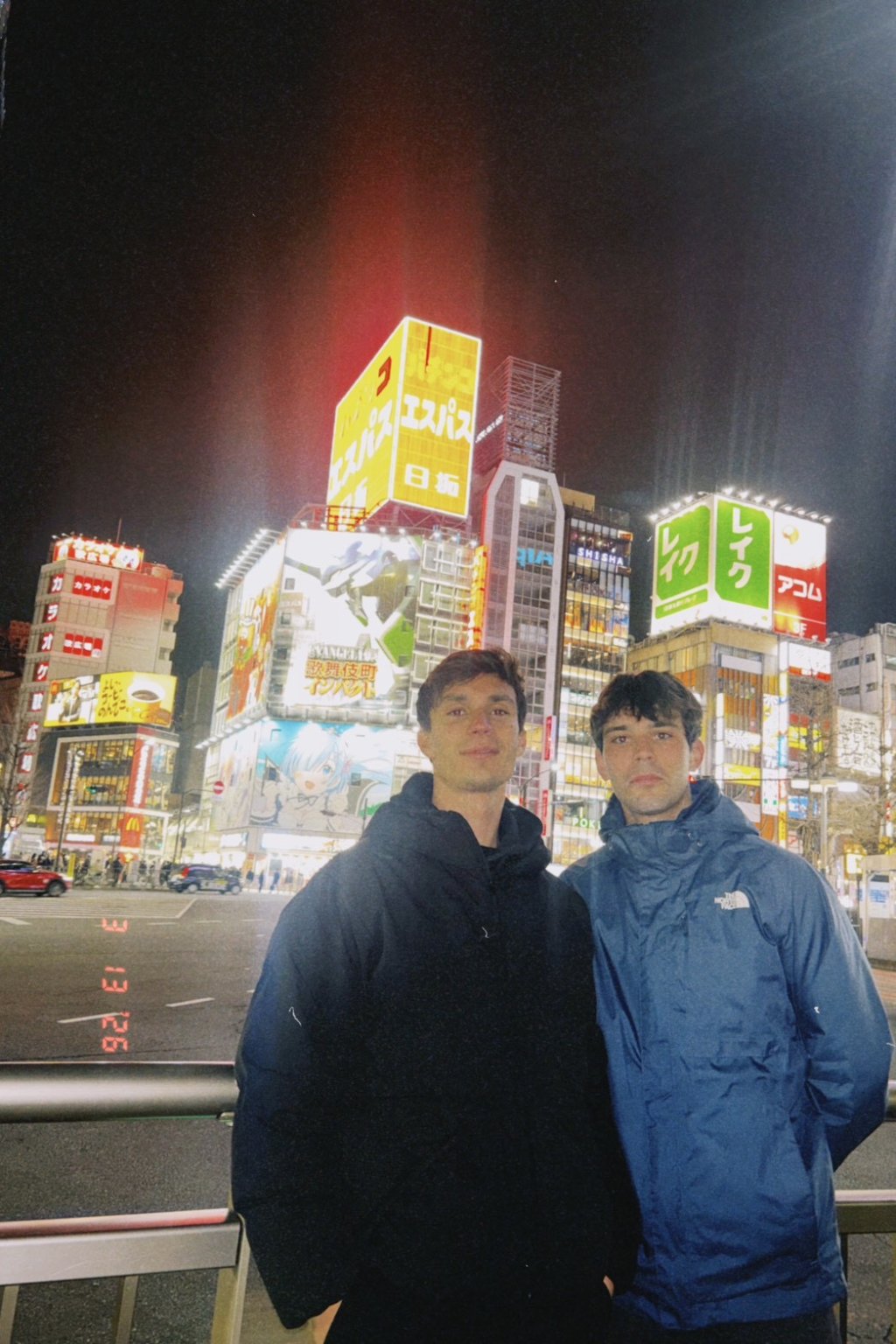
Living in Matsumoto was also an important part of this experience. I had the opportunity to experience Japanese culture and daily life, and to see the respectful and professional environment that characterizes Japanese hospitals and universities.
Overall, this exchange helped me expanded my perspective on medicine and increased my interest in both research and international collaboration.
4. How do you think you can apply those experiences to your future career?
The experience I gained at Shinshu University will be very useful for my future medical career.
First, my time in the Department of Regenerative Medicine helped me better understand the role of research in modern medicine. Working in a laboratory allowed me to see how basic science can contribute to clinical progress, and this confirmed my interest in staying involved in research in the future.
Another important aspect of this experience was the opportunity to work in an international environment. Being exposed to a different healthcare system helped me realize how important it is to exchange knowledge and collaborate with professionals from different countries. I believe that sharing ideas and experiences is essential for the development of medicine at an international level.
For this reason, I would like to continue building connections with medical institutions in other countries in the future, including Japan. I think that maintaining international collaborations can be very valuable both for personal growth and for improving patient care.
Overall, this experience helped me develop a wider perspective on medicine and confirmed my interest in combining research and clinical practice in an international context.
5. Advice to those who are interested in studying at Shinshu University
I would strongly recommend this program to students who are interested in gaining both research and clinical experience in an international environment.
My advice is to be proactive and curious. Do not be afraid to ask questions, even if sometimes it may feel difficult because of the language. The doctors and researchers are very supportive and always willing to explain, so taking initiative really makes a difference.
I would also suggest trying to fully engage with the experience, not only in the hospital or laboratory but also in daily life. Living in Matsumoto is a great opportunity to experience Japanese culture and to better understand the working environment in Japan.
Finally, I think it is important to keep an open mindset. Being in a different country can be challenging at the beginning, but it is also what makes the experience so valuable. Adapting to a new environment and learning from different perspectives is something that will be very useful in the future.