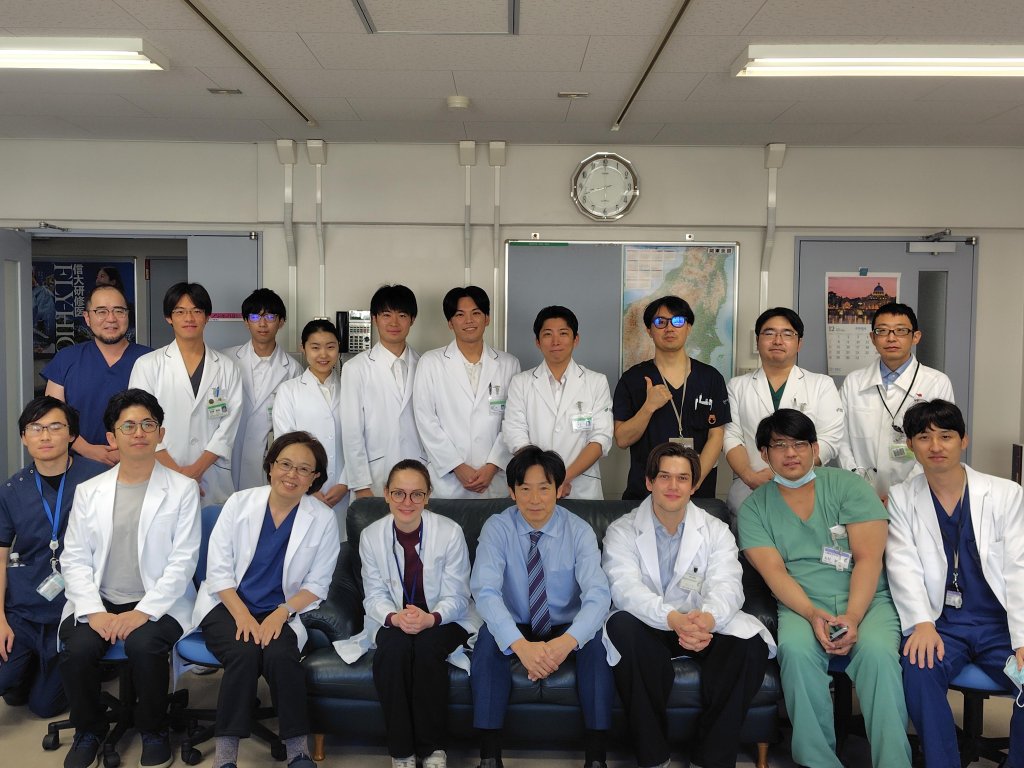
2025 Student from TU Dresden: Clinical training at Dept of Surgery
Name: Deborah Effenberger
Home Institution/ Country: TU Dresden, Germany
Year of university: 6th
Designated department at Shinshu University: Department of Surgery: Cardiovascular and Gastroenterological, Hepato-Biliary-Pancreatic, Transplantation and Pediatric
Training Period: from 17 November 2025 to 8 March 2026
Training: Clinical training
1. What made you come train at Shinshu University School of Medicine and how did you find the School through your stay?
I chose to train at Shinshu University School of Medicine because of its strong clinical reputation and the opportunity to gain insight into Japanese surgical practice. I was particularly interested in observing surgical techniques, operating room workflows, and perioperative management in a healthcare system that is known for its precision, discipline, and high standards of patient care.
Throughout my stay, I experienced Shinshu University School of Medicine as a highly professional and well-structured institution. The surgical teams were very welcoming and made a strong effort to include me in daily activities. I was especially impressed by the calm, focused, and respectful atmosphere in the operating room, which created an excellent learning environment.
2. Please describe your training at host department/lab.
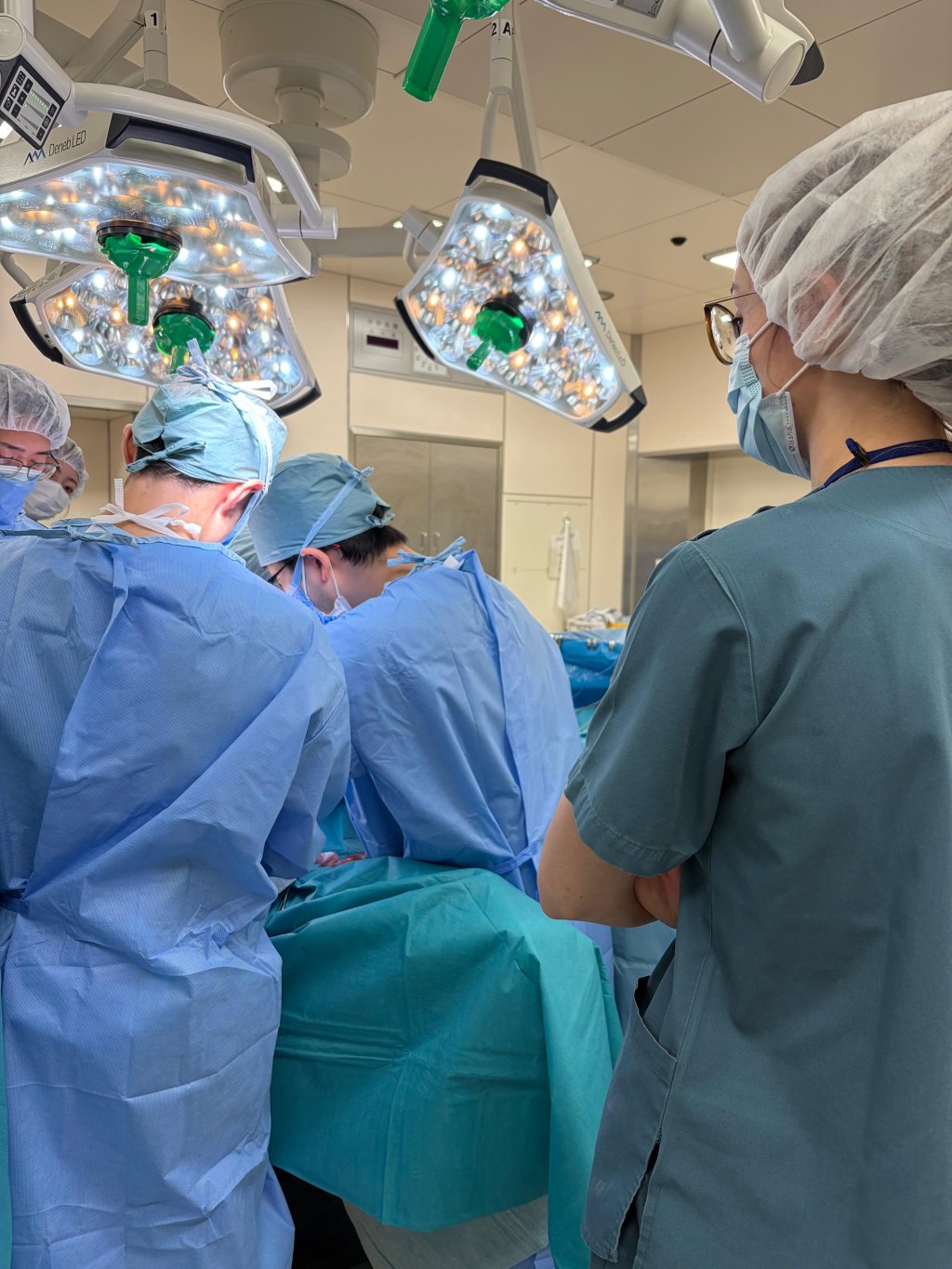
My training mainly focused on the operating room. I had the opportunity to observe a variety of surgical procedures and gained detailed insights into preoperative preparation, intraoperative techniques, and postoperative management. The structured organization in the operating room, strict adherence to hygiene standards, and efficient teamwork were particularly striking.
In addition to the operating room, I attended ward rounds and patient discussions. However, due to the language barrier, my learning was most effective during surgical procedures, where clinical processes, anatomy, and techniques could be understood independently of language. The surgeons frequently explained key steps of the operations and were very open to questions, which greatly enhanced my understanding.
3. Please list what you have gained from your experiences through the training at Shinshu University and the stay in Matsumoto, Japan.
From a clinical perspective, I gained valuable exposure to surgical workflows and techniques within the Japanese healthcare system. Observing the high level of concentration, precision, and teamwork in the operating room was particularly instructive and shaped my understanding of surgical professionalism.
Beyond clinical skills, my stay in Matsumoto allowed me to gain deep insights into Japanese medical culture and work ethics. Matsumoto proved to be an excellent place to live and train, offering a high quality of life and a supportive environment that greatly enriched my professional and personal development, while further strengthening my adaptability and intercultural competence.
4. How do you think you can apply those experiences to your future career?
The experiences gained at Shinshu University will strongly influence my future medical career, particularly in terms of discipline, preparation, and teamwork in clinical practice. The structured approach to surgery and the respectful communication within the operating room are aspects I aim to integrate into my own professional behavior.
Furthermore, this international experience enhanced my ability to learn in challenging environments and to focus on non-verbal clinical learning, which is an important skill in medicine. These competencies will be highly valuable in my future clinical training and professional development.
5. Advice to those who are interested in studying at Shinshu University
I would highly recommend Shinshu University to students who are interested in gaining insight into Japanese clinical practice, especially in the surgical field. Observerships in the operating room are highly educational and provide valuable learning opportunities even for students with limited Japanese language skills.
Nevertheless, learning basic Japanese greatly enhances the experience and facilitates communication outside the operating room. Approaching the stay with openness, respect, and curiosity allows students to benefit fully from both the academic and cultural aspects of studying at Shinshu University.