2025 Student from TU Dresden: Clinical training at Dept of Surgery etc.
Name: Laura Östreich
Home Institution/ Country: TU Dresden, Germany
Year of university: 6th
Designated department at Shinshu University: Department of Gastroenterological,
Hepato-Biliary-Pancreatic, Transplantation and Pediatric Surgery, Department of Neurosurgery
Training Period: from 17 November 2025 to 8 March 2026
Training: Clinical training
1. What made you come train at Shinshu University School of Medicine and how did you find the School through your stay?
In 2022, I had the honor of meeting a medical student from Shinshu University during her exchange at TU Dresden. We quickly became friends, and through her stories I became increasingly fascinated by Shinshu University and life in Japan. In addition, a friend of mine had previously participated in the same exchange program and spoke very highly of his experience. Their enthusiasm ultimately encouraged me to apply myself - not only because I hoped to reunite with my friend, but also because I wanted to experience firsthand what they had described so vividly. On top of that, I have always been fascinated by Japan - a country where cutting-edge technology and modern medicine coexist with a rich cultural heritage and breathtaking nature. The opportunity to train at Shinshu University School of Medicine therefore felt like the perfect combination of academic growth and personal enrichment.
From the very beginning, Shinshu University welcomed me with open arms. Throughout my stay, I experienced the university and its hospital as highly professional, technologically advanced, and academically inspiring, yet at the same time incredibly supportive and warm. The doctors and staff created an environment in which I felt genuinely included and appreciated as a visiting student. This combination of excellent medical training and heartfelt hospitality made my stay truly exceptional.
2. Please describe your training at host department/lab.
I began my clinical rotation in the Department of Gastroenterological, Hepato-Biliary-Pancreatic, Transplantation and Pediatric Surgery. During this time, I gained valuable insights into the complexity of liver surgery and had the opportunity to observe several living donor liver transplantations - a procedure that is comparatively rare in Germany. I was also allowed to assist in both open and laparoscopic surgeries, where the doctors taught me surgical skills with a lot of patience and encouragement. In addition to time in the operating room, I regularly participated in morning conferences where patient cases were discussed in detail and surgical strategies were carefully planned. I also joined ward rounds, where I was able to see pre - and post-operative patients. This allowed me to better understand perioperative management and patient-centered care beyond the operating theatre. The attending surgeons consistently took the time to explain indications, procedures, and clinical reasoning.
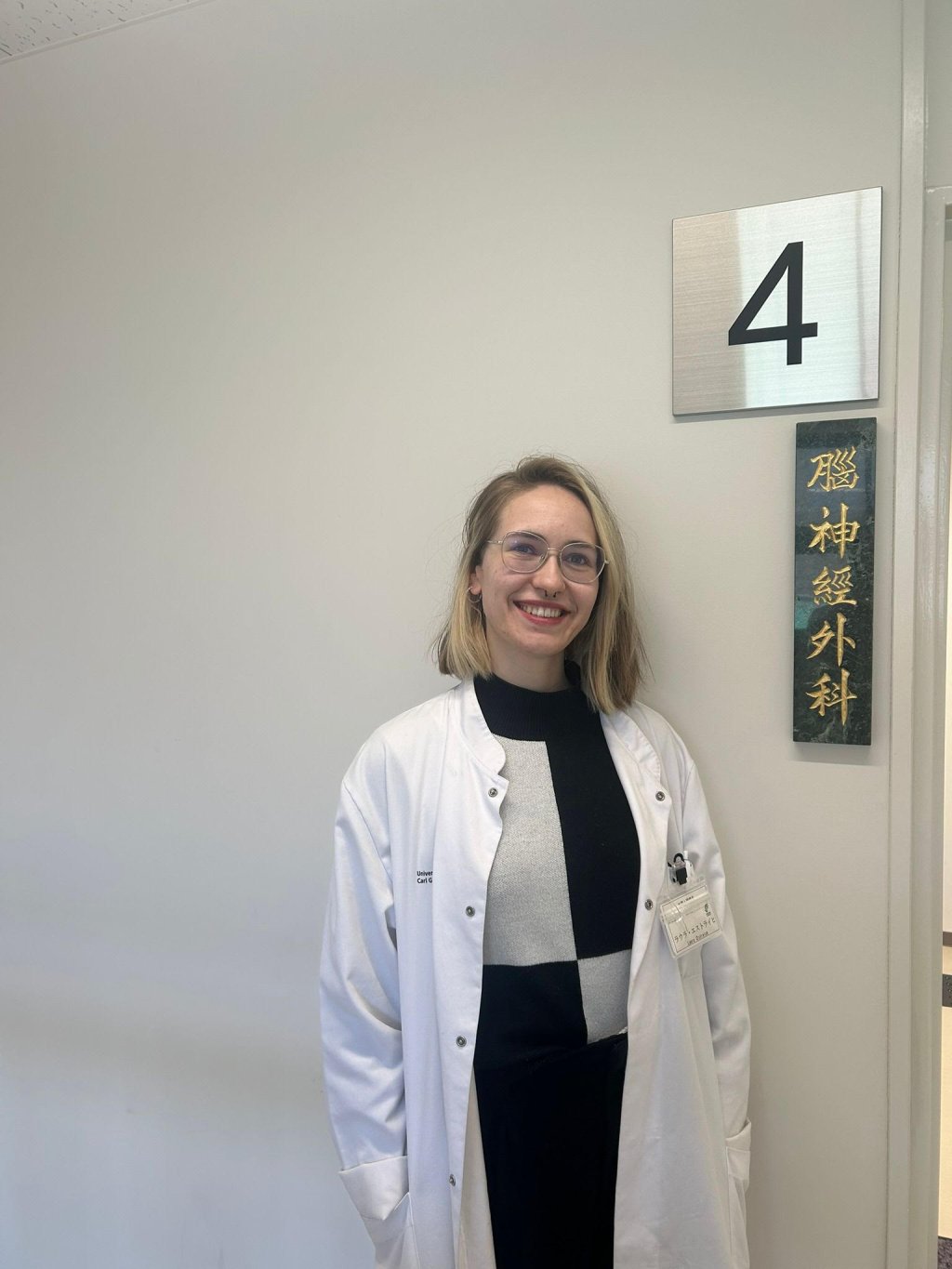
For the second half of my stay, I rotated in the Department of Neurosurgery. As in my first rotation, I was included in daily conferences, which enabled me to follow complex cases from initial presentation through surgery. I observed a wide range of procedures, including extensive tumor resections, advanced epilepsy surgeries, and endovascular treatments. Seeing how meticulously each case was planned and executed was particularly impressive. One especially memorable experience was attending a neurosurgical conference with the department, where I had the opportunity to listen to inspiring lectures by leading experts and connect with physicians from across Japan.
Although my primary focus in Matsumoto was surgical training, I was also granted a unique opportunity beyond clinical practice. As I am deeply interested in hematological research and aspire to pursue a clinician-scientist career, I was allowed to spend part of my free time in the renowned CAR-T cell laboratory of the Department of Pediatrics. There, I observed innovative experimental techniques, strengthened my laboratory skills, and gained insight into translational research approaches that bridge basic science and clinical application. This experience was particularly meaningful for my long-term career plans.
3. Please list what you have gained from your experiences through the training at Shinshu University and the stay in Matsumoto, Japan.
From a professional perspective, I significantly broadened my knowledge in several surgical specialties and deepened my understanding of complex operative planning, interdisciplinary collaboration, and perioperative patient care. Observing living donor transplantations, advanced neurosurgical procedures, and translational research projects provided me with comprehensive insight into highly specialized university medicine. At the same time, I gained a better understanding of the Japanese healthcare system and its structured, meticulous approach to clinical decision-making.
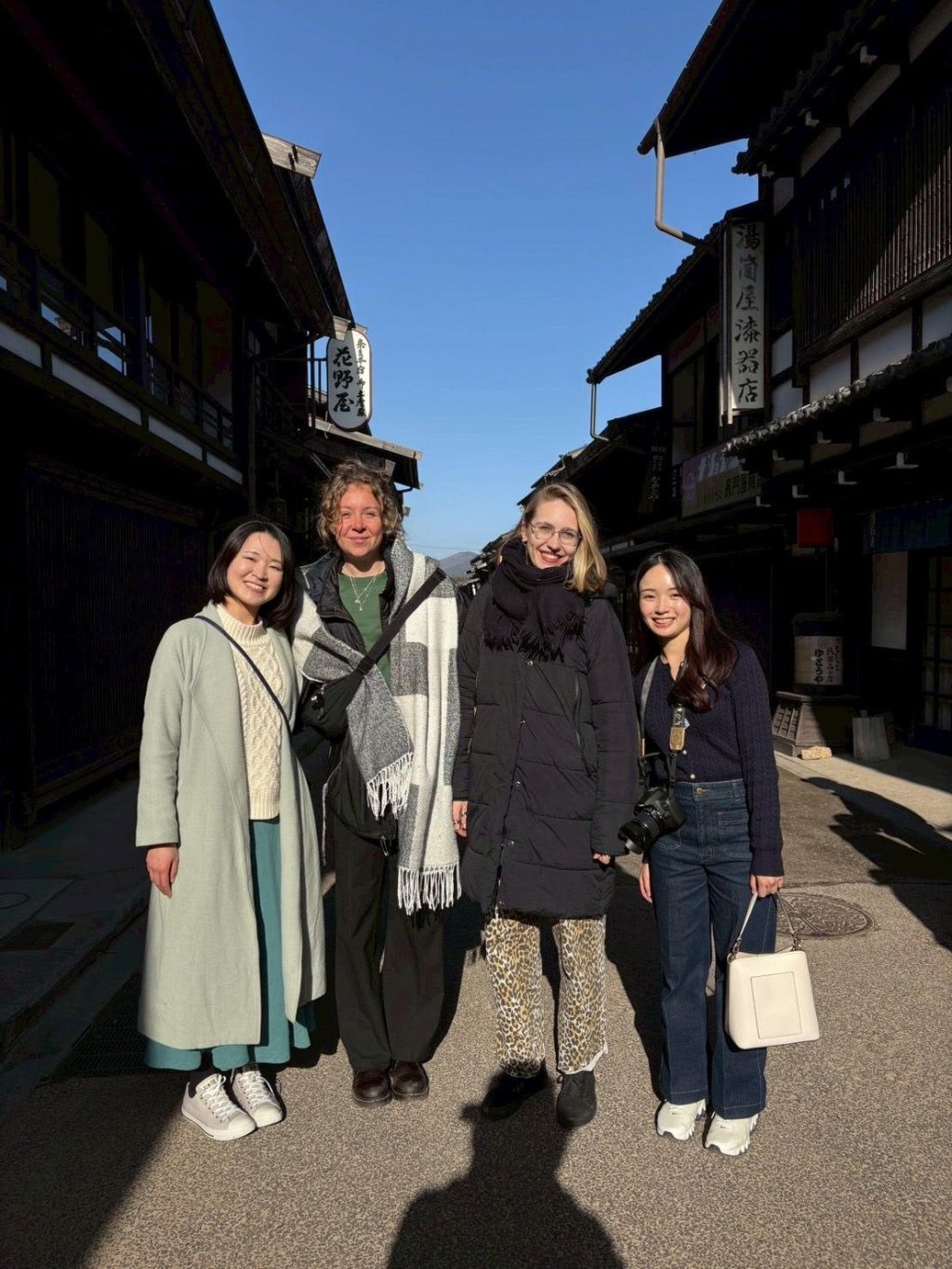
On a personal level, my stay was equally formative. Living in Matsumoto allowed me to immerse myself in Japanese culture and daily life while experiencing the warmth and openness of the people around me. What impressed me most was the respectful and appreciative way colleagues interacted with one another. The supportive atmosphere among doctors, students, and university staff demonstrated how professionalism and kindness can coexist, even in high-pressure environments. Experiencing this culture of mutual respect has deeply influenced my understanding of what a positive and productive workplace should look like.
4. How do you think you can apply those experiences to your future career?
The experiences I gained at Shinshu University will have a lasting impact on my future career.
First, I learned invaluable lessons about teamwork and communication in clinical practice. The calm, respectful interaction between colleagues -- even in demanding surgical settings -- showed me how constructive collaboration enhances both patient care and working satisfaction. I hope to carry this mindset into my future professional environment and contribute to a culture of mutual support and appreciation.
Second, this international experience strengthened my adaptability and intercultural competence. As I can imagine pursuing further clinical or research experience abroad in the future, this exchange has given me confidence in navigating different healthcare systems and professional cultures.
Finally, my time in the CAR-T cell laboratory was particularly influential for my long-term goal of becoming a clinician-scientist. Observing how innovative laboratory research translates into novel therapeutic strategies reinforced my desire to combine clinical medicine with scientific inquiry. I was fortunate to encounter several inspiring mentors during my stay, whose guidance and encouragement highlighted the importance of mentorship in medicine. In the future, I hope not only to benefit from such mentorship but also to provide it to others.
5. Advice to those who are interested in studying at Shinshu University
My advice is simple: be brave and take the opportunity.
Learning some basic Japanese beforehand is certainly helpful for everyday life and communication in the hospital. Even simple phrases are greatly appreciated and can make interactions smoother. At the same time, do not be discouraged if your language skills are limited. The doctors and students at Shinshu University are incredibly welcoming and supportive. Be proactive, show genuine interest, and do not hesitate to ask questions.
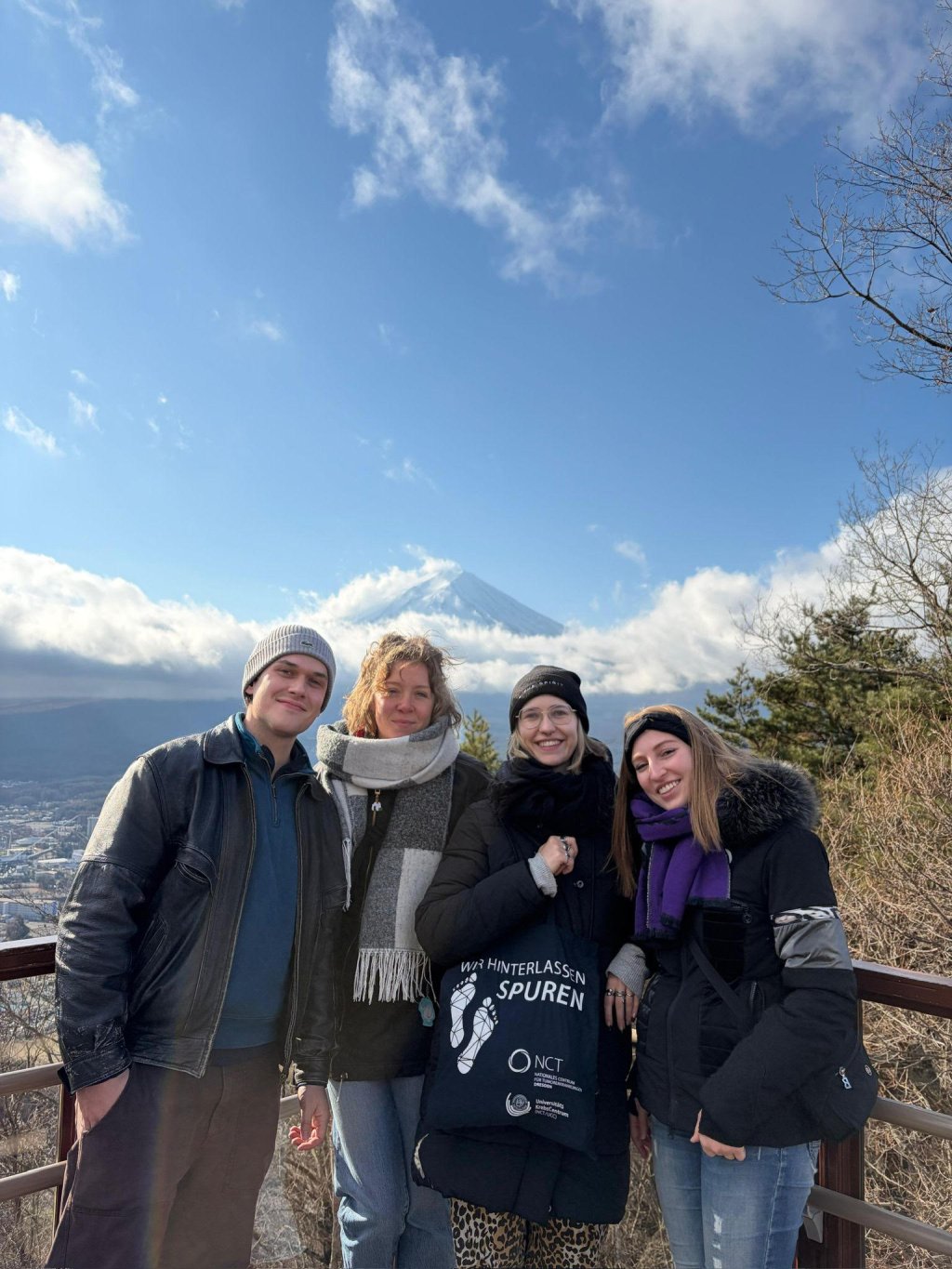
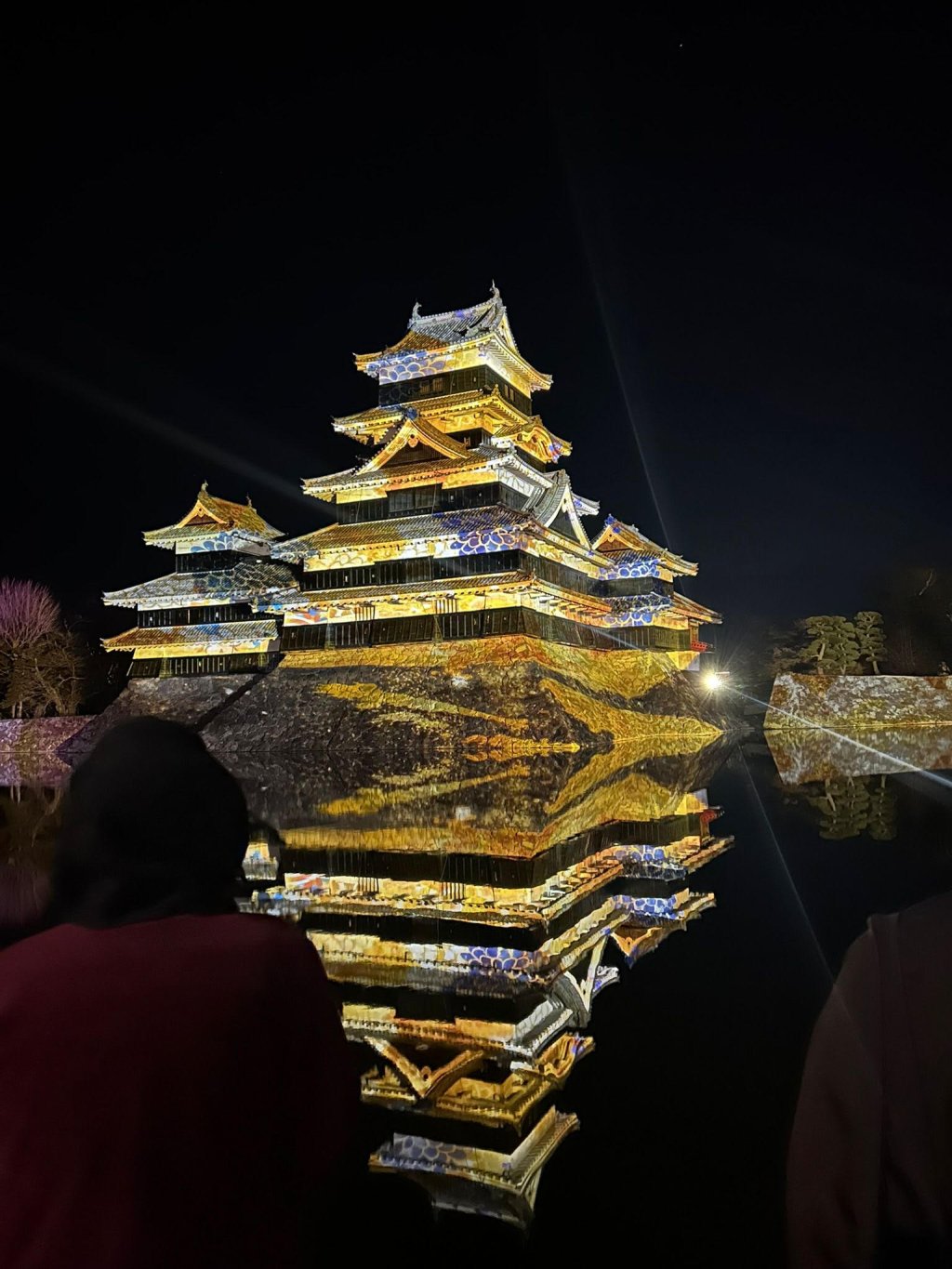
But also make sure to explore the country and its culture during your stay. Japan has so much to offer beyond the hospital, and taking the time to experience it will make your exchange not only academically valuable but personally unforgettable.